
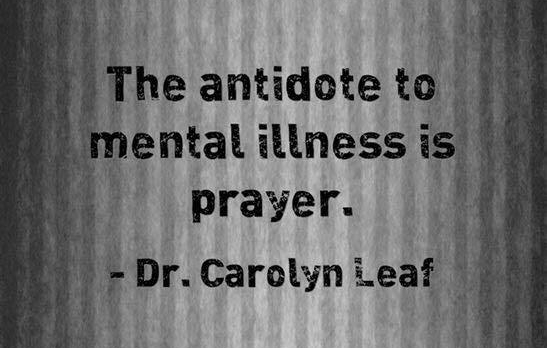
For seven years, I struggled with anxiety, depression, suicidal thoughts and tendencies, and panic attacks. I’m better now, but sometimes I still struggle.
In honor of May being Mental Health Awareness Month, I thought I’d share my story.
In 2012, I was diagnosed with moderate to severe depression and anxiety. I had struggled for months beforehand, not knowing what caused me to feel so awful all the time.
I had depressive episodes, anxiety, non-existent self-esteem, and a constant cloud of numbness hanging over my head. My grades slipped. I lost friends. I started hanging out in my room with the door closed, getting sucked in to Facebook. And while this wasn’t as bad as it could get, people noticed.
I’m normally an extremely outgoing, bubbly person, but at the time, I was the total opposite.
I visited a psychiatrist and a therapist. I was prescribed medication and weekly therapy sessions that I attended for nearly two years.
Things got worse before they got better.
I struggled with self harm. I had suicidal thoughts. I even planned how I would end my own life, twice.
When I started therapy, I was religious, but obviously I’m not anymore.
Reading bible verses helped me sometimes.
Sometimes they didn’t.
What helped me the most over the past seven years was taking medication, going to therapy, practicing what I learned, and learning various coping techniques.
I’ve noticed some Christians talk about mental illness like it isn’t real, saying “Jesus is the only thing that can cure your depression.” And while it’s fine to use religion as a coping technique, it’s important to remember that mental illness is a complicated thing. What works for one person may not work for another.
It has been proven that therapy and medication WORK. That’s why it is so highly recommended.
Don’t get me wrong. While I think religion made things worse for me (“you’ll go to hell if you kill yourself,” “just pray and things will get better”), it can definitely act as a positive coping technique for others.
I see no issue in using religion to help you cope if it makes you feel better.
But Jesus is not a replacement for treatment. If you are struggling, GO GET HELP.
If you or someone you know is struggling with mental illness or suicidal thoughts, here are some resources:
- National Suicide Prevention Lifeline: 1-800-273-8255
- Crisis Text Line: 741741 (Just text “start”)
- Online Chat: https://suicidepreventionlifeline.org/chat/
You are loved. You are needed. You are not alone.
Reach out. Ask for help. You’ll be glad you did.
 Good After God